In today’s fast-paced digital world, website performance plays a crucial role in user experience, search engine rankings, and overall success. Slow-loading websites not only frustrate users but also impact conversion rates and bounce rates. To address this challenge, many businesses are turning to Content Delivery Networks (CDNs) to optimize website performance and enhance user satisfaction. In this article, we’ll explore the role of CDN in improving website performance and why it’s essential for businesses of all sizes.
What is a CDN?
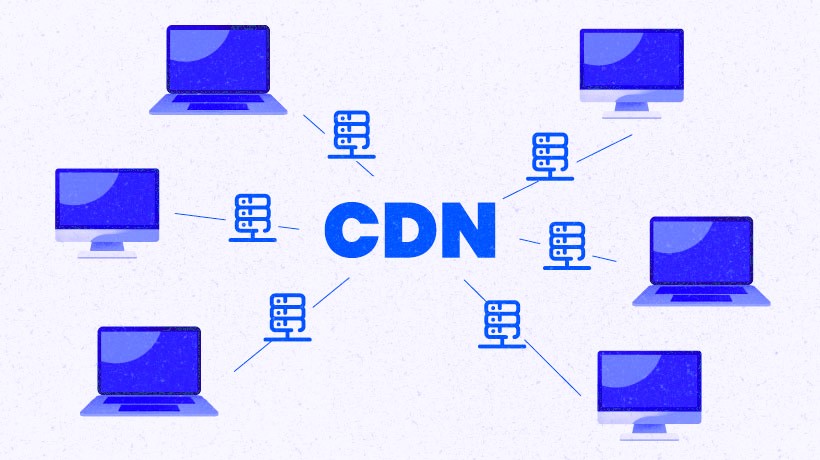
A Content Delivery Network (CDN) is a network of servers distributed across multiple geographic locations worldwide. The primary function of a CDN is to deliver web content, such as images, videos, CSS files, and JavaScript files, to users more efficiently by reducing latency and improving load times. When a user requests content from a website, the CDN automatically detects the user’s location and serves the content from the nearest server in the CDN network, rather than the origin server where the website is hosted.
How Does a CDN Improve Website Performance?
- Reduced Latency: One of the primary benefits of using a CDN is reduced latency. By serving content from servers located closer to the user, CDNs minimize the time it takes for content to travel from the server to the user’s device. This results in faster loading times and improved performance, especially for users located in different regions or countries.
- Improved Page Load Times: Faster page load times are essential for providing a seamless user experience and reducing bounce rates. CDNs cache static content, such as images, CSS files, and JavaScript files, on edge servers located near the user’s location. This allows content to be delivered more quickly to the user’s device, resulting in faster page load times and improved website performance.
- Scalability: CDNs are designed to handle large volumes of traffic and scale dynamically to accommodate spikes in demand. By distributing content across multiple servers, CDNs can distribute the load more evenly and ensure that websites remain fast and responsive even during peak traffic periods.

- Improved Reliability: CDNs enhance website reliability by reducing the risk of downtime and server failures. By serving content from multiple servers, CDNs provide redundancy and failover capabilities, ensuring that websites remain accessible even in the event of server outages or network issues.
- Enhanced Security: Many CDNs offer built-in security features, such as DDoS protection, web application firewalls, and SSL encryption, to protect websites from cyber threats and attacks. By leveraging the security features of a CDN, businesses can safeguard their websites and data from unauthorized access and malicious activity. Understanding the differences between shared hosting and dedicated servers, read more in our article.
Conclusion:
In conclusion, Content Delivery Networks (CDNs) play a crucial role in improving website performance and enhancing user experience. By reducing latency, improving page load times, and enhancing scalability and reliability, CDNs help businesses deliver content more efficiently and provide a seamless browsing experience for users worldwide. Whether you’re running a small blog or a large e-commerce website, implementing a CDN can help optimize your website performance and ensure that your content is delivered quickly and reliably to users around the globe.
For more information on web hosting standards and best practices, visit the following resources:
- IETF (Internet Engineering Task Force)
